

In this series of 4 one-hour recorded presentations from the 2024 Science of Cannabis Conference, you'll learn the fundamentals of cannabis, how it works and how it affects users; and gain in-demand knowledge and skills pertaining to therapeutic applications, as well as the potential risks of cannabis misuse.
Ideal for healthcare professionals, healthcare trainees, researchers, and anyone interested in the scientific and medical aspects of cannabis.
This e-learning activity is a form of self-study using enduring materials (e-learning modules) as defined by the Maintenance of Proficiency (Mainpro+®) Program of the College of Family Physicians of Canada (CFPC). Self-study using e-learning modules is included under the Non-Certified Self-Learning credit category. Any non-certified activity is generally eligible for one non-certified credit per hour.
This e-learning activity is a form of self-study using enduring materials (e-learning modules) as defined by the Maintenance of Certification Program of the Royal College of Physicians and Surgeons of Canada. Self-study using e-learning modules is included as an example of a Section 2 activity. Reviewing enduring materials is generally valued at 0.5 credit per topic. However, additional research/self-study using the e-learning can also be submitted as Personal Learning Projects (PLPs) where you will earn two (2) credits per hour.
We estimate that each course should take about 1 hour. Earn a Certificate of Participation for each course you complete in the learning path and a certificate for the program overall if you complete all four courses.
From experts at the Peter Boris Centre for Addiction Research and the Michael G DeGroote Centre for Medicinal Cannabis Research:
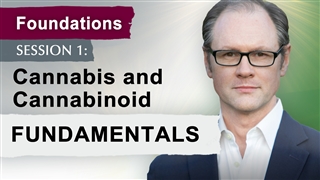
Dr. James MacKillop introduces concepts important to understanding medicinal cannabis and provides an in-depth exploration covering its history, pharmacology, and various applications. Participants will gain a thorough understanding of cannabinoid subtypes, the endocannabinoid system, and the pharmacokinetics of different cannabis products. The course also addresses the changing epidemiology of cannabis use, emphasizing the importance of evidence-based medicine in evaluating the benefits and risks of medical cannabis. Key topics include plant cannabis products, pharmaceutical cannabinoids, and synthetic cannabinoids.
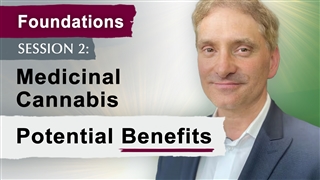
Dr. Jason Busse describes the latest research findings regarding some potential benefits of medicinal cannabis. Delve into the background of cannabis legalization in Canada and the perceptions of its benefits and risks. Participants will gain insights from systematic reviews on the use of cannabis for various medical conditions, including chronic pain, mood disorders, PTSD, anxiety, sleep disorders, and inflammatory bowel disease. The course also discusses patient values and preferences, highlighting the importance of shared decision-making in medical cannabis use, with a focus on evidence-based guidelines and recommendations.
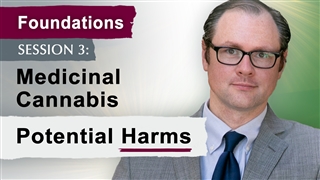
Dr. James MacKillop provides a comprehensive overview of the potential adverse outcomes associated with cannabis consumption. Topics include cannabis use disorder, its prevalence, and withdrawal symptoms, as well as the impact of cannabis on mental health conditions such as anxiety, psychosis, and self-injurious behavior. The course also covers the acute and chronic cognitive effects of cannabis, its association with motor vehicle accidents, and its impact on lung health. Learn about cannabinoid hyperemesis syndrome, a condition linked to chronic cannabis use. Gain a balanced perspective on the potential harms and learn about the latest research findings in this critical area.
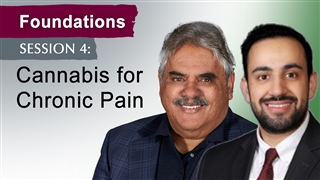
Dr. Mahmoud Siyam provides a detailed overview of acute and chronic pain, the endocannabinoid system, and the role of medical cannabis in pain management. Learn about the major cannabinoids, including THC and CBD, and their clinical effects. The course covers dosing guidelines for both pharmaceutical and plant-based cannabinoids, various routes of administration, and the importance of starting with low doses and titrating slowly. Become aware of adverse effects and drug interactions, and the need for careful patient monitoring.

© 2026 McMaster University & Others | 1280 Main St. W. | Hamilton, Ontario L8S 4L8 | Terms of Use